
Introduction: Rethink Rigidity in Jewelry Casting
Imagine strolling down the vibrant streets of Johannesburg, where every jewelry store glitters with unique silver pieces crafted by skilled local artisans. In the world of silver casting, innovation proves essential. Are the traditional methods used for generations still the best? Well, you might not reckon that they are. Jewelry casting, especially with silver, can seem as daunting as hiking up Table Mountain without a guide. Why, you might ask? Because it rapidly evolves while the jewelry business requires a balancing act between maintaining heritage and embracing modern techniques. This here is where we dive into the pressing issue of adapting industry crafts for a modern market.
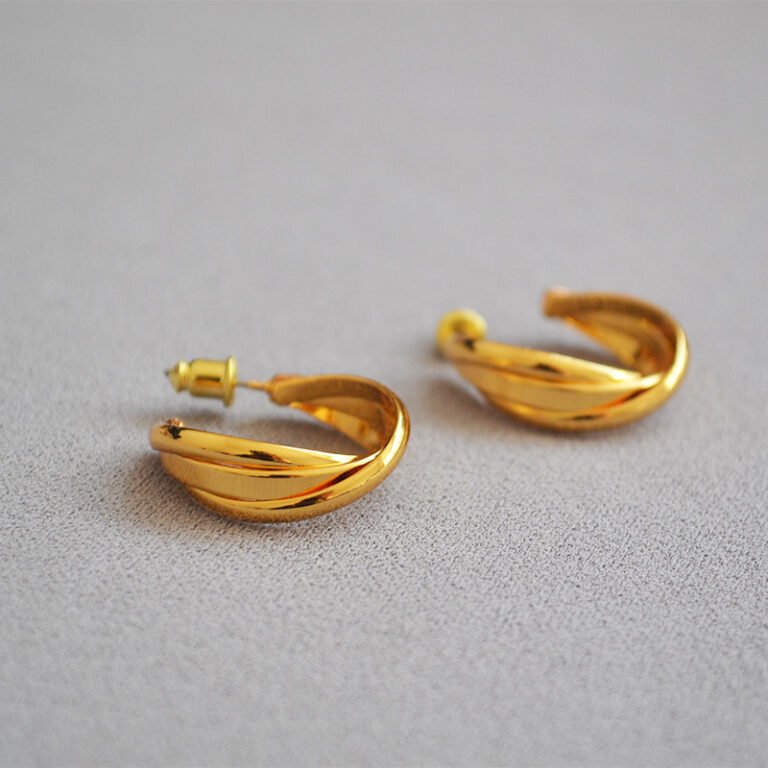
Unveiling the Shortcomings of Traditional Silver Casting
In the realm of silver casting, traditional methods are as familiar as your morning cuppa. However, they carry several hidden challenges that often get overlooked. At first glance—much like a piece of dazzling jewelry—the process seems flawless. But dig deeper, and you’ll find flaws: inconsistencies in mold integrity (edge computing nodes become brittle), time-consuming handcrafting stages, and, dare I say, a lack of scalability. Look, it’s simpler than you think to notice these issues when you view them through a technical lens. Traditional setups can’t keep up with the fast-paced demands of modern jewelry manufacturing. Techniques, like lost-wax casting, once heralded for their detailed results, now fall short by modern standards.
What’s Really Behind These Challenges?
Why do these flaws persist, you ask? Well, traditional methods often fail to effectively integrate with new, technological advancements. Variables like power converters (essential for smooth operations) are an Achilles’ heel when it comes to extending the life cycle of equipment. Much of what customers perceive as art suffers due to mechanical limitations. To thrive in this changing marketplace, jewelers need to confront these pain points head-on—not an easy feat, hey?
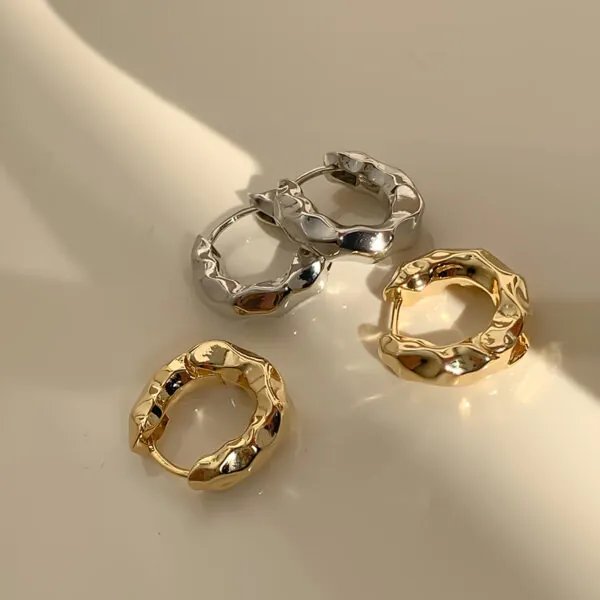
Emerging Technologies: Designing the Future of Silver Casting
Looking ahead, we’re witnessing paradigm shifts—imagine technologies such as 3D printing disrupting traditional silver casting landscapes. Exciting, right? These advancements promise more precision, less resource wastage, and shorter production cycles. Can you picture casting silver with pinpoint accuracy almost instantly? What sounds like a dream is becoming a reality. With technology like CAD software enabling bespoke designs tailored for individual clients, the future is indeed radiant for jewelers who can adapt. This transformational shift encourages flexibility by freeing artisans to focus on creativity and detail rather than battle cumbersome traditional craft methods.
Real-world Impact: A Glimpse into Tomorrow
Imagine shifting your silver casting operations with scalable technology—resulting in higher efficiency and reduced scrap loss (funny how that works, right?). Countries and companies journeying on this adaptive path, like our beloved South African jewelers, now enjoy streamlined operations, more creative elbow room, and, importantly, more time to embrace the artistry central to jewelry design. As we approach these changes, lessons from the past inform the digital age’s fabrication future. It’s a narrative that speaks of harmony between artistry and innovation—a fitting tribute to legacy while crafting a modern identity for silver craftsmanship.
There you have it—an artistic journey of flexibility in silver casting. By reconsidering rigidity and embracing new technologies, the jewelry industry charts a course toward a future that’s both innovative and reflective of our rich heritage. For aspiring jewelers looking to learn this art, consider exploring the modern solutions available with Star Harvest. May this guide resonate with your craft and inspire future creations!