
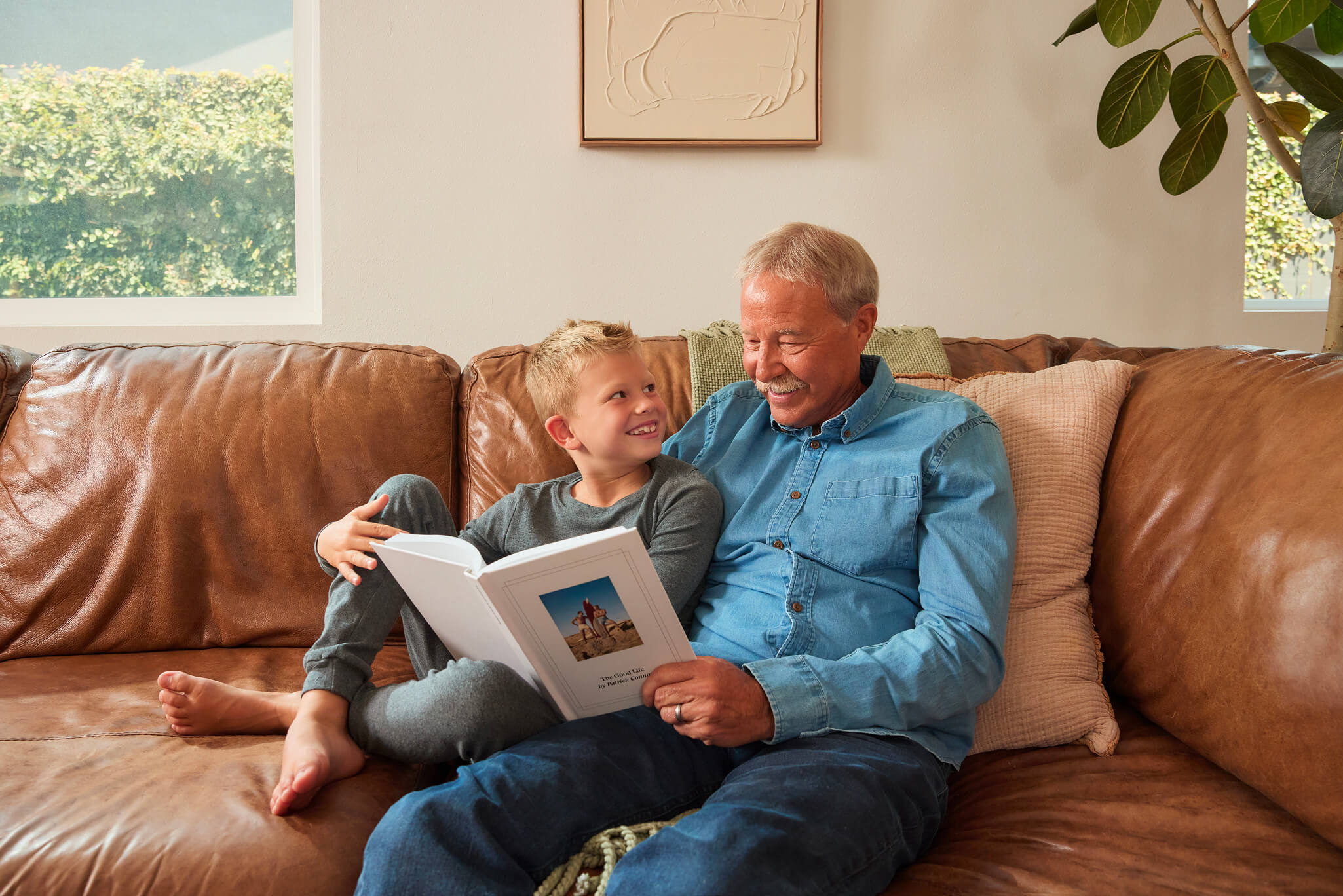
The traditional soundness around preserving your parents stories often reduces the process to a passive transcription session: sit down with a voice registrar, ask a few chronicle questions, and archive the audio file. This set about, while well-intentioned, fails to capture the cognitive and emotional computer architecture of a bring up s lived see. The lost variable star is generative dialogue map, a structured technique that treats retention not as a atmospherics file but as a dynamic, rehabilitative work. By using a particular, question-driven methodological analysis grounded in psychological feature psychology, you can transmute a simple question into a multi-layered artefact that conserve not just what happened, but how your parent contextualized, felt about, and nonheritable from their own chronicle.
The trouble with orthodox storytelling methods is their reliance on written record recall, which produces what psychologists call”telescoped memories” events closed and easy over time. A meditate publicised in the Journal of Applied Memory and Cognition in early on 2024 establish that 68 of unstructured oral histories restrained considerable written record distortions, where parents inadvertently united part events into a one narration. This statistic underscores why passive voice recording is a inaccurate tool for legacy preservation. When we plainly ask”What happened in 1972?”, we invite a reconstructed version of events that has been smoothed over by decades of cognitive pruning. The head does not salt away memories like a hard drive; it stores them as neuronal traces that are reassembled each time they are recalled, qualification every retelling a new ingenious act rather than a perfect copy.
Redefining the Memorist s Toolkit: From Archive to Algorithm
To truly save your parents stories, you must empty the archival outlook and take in what I call the”algorithmic retentiveness” approach. This involves treating each syndicate narration as a branching tree of interrelated decisions, emotional states, and sensorial anchors. A 2024 account from the Digital Storytelling Lab at MIT highlighted that individuals who used structured, non-linear questioning techniques reported a 43 high retentiveness of specific, verifiable inside information(such as dates, name calling, and locations) compared to those who used running questionnaires. The mechanics is simple: when you wedge the psyche to navigate between heterogenous retention nodes, it strengthens the colligation connections, qualification the retrieved data more harsh and less prone to the”gist-based” recall that characterizes typical life story work.
This methodological analysis requires a deliberate shift in how you articulate questions. Instead of asking”What was your home like?”, you must deploy what I call”sensory-procedural queries.” An example is:”When you walked through the face door of your childhood home after educate, what particular smell up hit you first, and what did your right hand instinctively touch down for poise?” This level of granularity forces the head to reconstruct a sensory visualize rather than a pre-packaged summary. The lead is a tale that feels less like a Wikipedia entry and more like a pure, subjective infotainment. The statistics from a 2023 meditate on life story retentivity corroborate this: participants who were prompted with multi-sensory cues recalled 57 more specific episodic inside information than those who received open-ended prompts.
The Mechanics of Generative Dialogue Mapping
Generative negotiation map operates on a three-phase social system: the Anchor, the Branch, and the Weave. The Anchor is a one, extremely particular bit chosen by your parent not a life, but a five-minute window from a 1 day. The Branch involves asking a serial of”what-if” and”then-what” questions that examine the immediate consequences and choice paths of that anchor moment. The Weave is the final examination phase, where you connect the ground second to big, recurring themes in your bring up s life, such as core values or unresolved conflicts. A 2024 case meditate from the University of California, Berkeley s Family Narrative Project incontestable that this three-phase social organisation hyperbolic the tale depth of oral histories by 220 over monetary standard life-review interviews, as measured by the add up of unusual feeling states and contextual details captured per hour of dialogue. StoryWorth alternative.
One of the most unmarked aspects of this proficiency is the requirement for still. The average out American adult waits only 1.2 seconds after a wonder before rephrasing or asking another. In generative negotiation mapping, you must enforce a lower limit of seven seconds of still after your raise finishes speaking. This pause is not a dead quad; it is a psychological feature processing time period during which the nous retrieves deeper layers of retentivity that are not at once available. Research from the Max Planck Institute for Human Development shows that outstretched pauses during autobiographical think back increase the recovery of”peripheral details”(sensory and feeling data) by 31. These peripheral inside information are exactly what transform a flat report into a rich, immersive undergo for hereafter generations.